
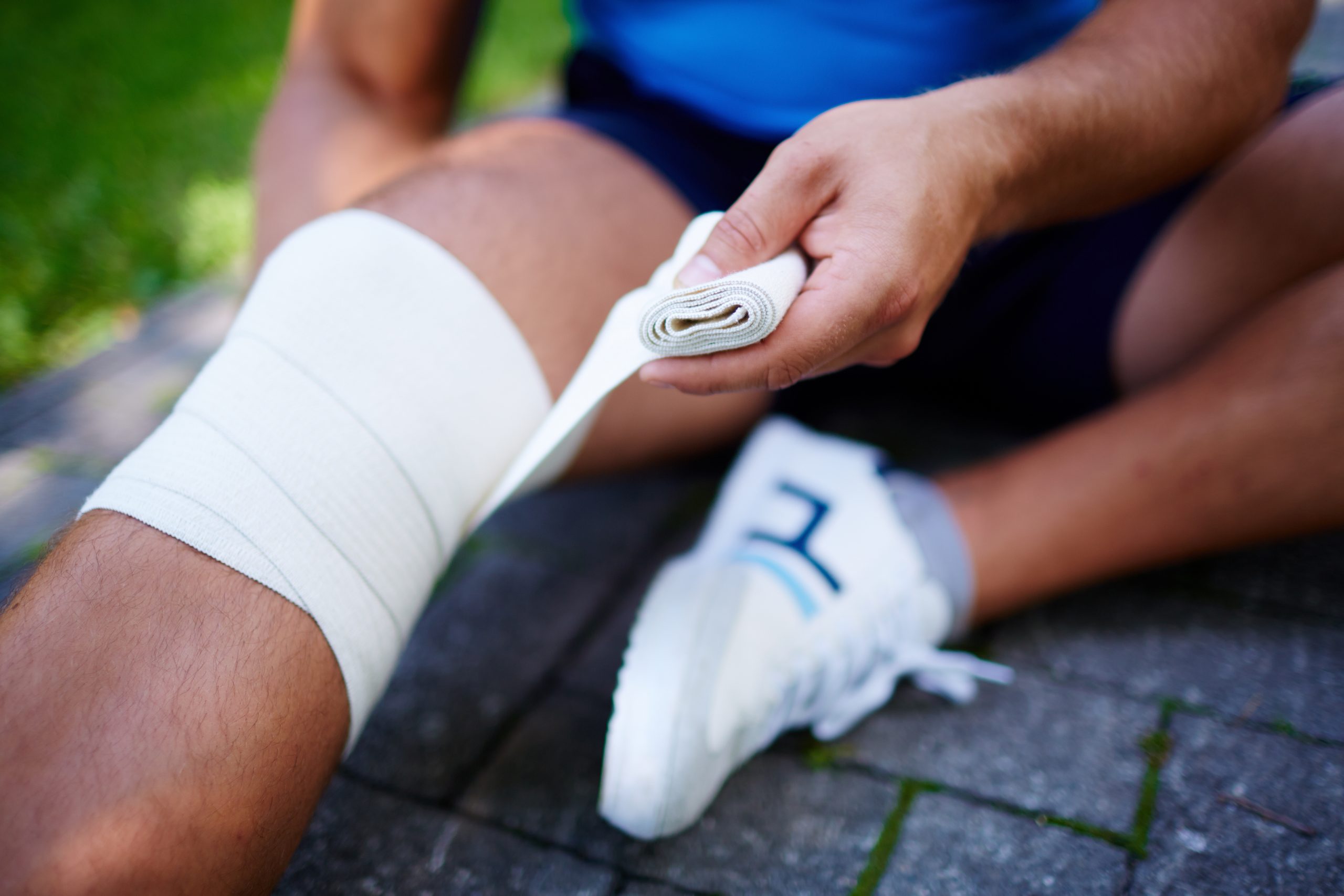
Post knee replacement surgery, which usually takes one to two hours, you will be moved to a recovery room. Here, hospital staff will monitor your vital signs and pain levels. Depending on your surgeon, you might be allowed to go home on the same day or you might be asked to spend the night in the hospital.
Post-surgery is an important period of recovery. It typically takes a year to fully recover from your surgery, but this will depend on several factors like your age, health conditions and activity level before surgery. However, once you do recover, your knee replacements will last for a decade or two. Plus, you’ll experience a significant reduction in pain too.
So, this recovery period is critical.
Managing Pain Post Knee Surgery
Before you return home, your surgeon will provide you with a customized recovery plan. This will include instructions on how you can manage pain, which you will feel in the first few weeks after your knee surgery. It’s really important that you follow whatever your doctor tells you to do to ensure a smooth and quick recovery.
This recovery plan will generally include, among other things, the following recommendations.
- Elevate and ice.
To minimize swelling, you’ll be instructed to keep your knee elevated and to put ice on it. When you’re sitting down, you should also raise your leg and rest it on a footstool. If you’re lying down, make use of pillows or cushions to prop your knee up above your knee. And, you might need to ice your knee for 20 minutes at a time for just a few times daily.
- Keep your incision clean and dry.
Your surgeon will provide instructions on how to clean your incision. It should include when you need to change the dressing and when it’s okay to bathe or shower.
- Follow your pain medication schedule.
Your surgeon will prescribe pain medication and how often you should take them. To keep pain at bay, you should create a schedule and set alarms to ensure that you don’t miss on taking any meds.
Getting Around Safely
Be careful with your movements, especially for the first few months after your knee surgery, to avoid injury. Here are a few ways you can get around your home safely post-surgery:
Use a crutch or walker. For the first few weeks after the surgery, use a crutch or a walker to aid you when walking or moving from one place to another. Also ensure that there are no tripping hazards and that you have a wide enough path for your walker.
Avoid climbing the stairs. For the first few weeks after your surgery, you will have to stay on the main floor of your house. Prior to your knee surgery, this space should have been prepared for your recovery phase. However, if this is not possible in your case, your doctor will instruct you on how to climb the stairs safely.
Slow movements. There’s no need to rush. Walk slowly with your toes pointing straight and take small steps when turning. Make sure you don’t use the leg that just had surgery or put your weight on it to avoid injury.
Storing and transporting necessary items. You’ll be using a walker to move about, so won’t be able to hold any items as you move about. What you can do instead is use a basket, attach it to your walker and place any items you want to transport there. You should also have a station near your bed within easy reach of your recovery area for your phone and medications.
Home Exercises and Physical Therapy
After your knee surgery, it’s essential that you move regularly in order to recover and gain mobility quickly. Here are some of the ways you will be instructed to do this.
Walking. With the aid of your crutches or walker, practice walking in a safe space inside your home daily for the first few days or weeks after knee surgery. Then gradually increase the distance and frequency of your walks. And, once your doctor or physical therapist gives the go signal, you can start walking in a safe space outside your home.
Perform your home exercises. Another set of instructions your surgeon will give you is with regards to the exercises you should do at home. You will be asked to do this as soon as possible after surgery. These exercises will strengthen your knee muscles, prevent stiffness and aid your joint in recovering its function.
Change your position regularly. You should also change your position or move a little bit every hour or so. If you’re lying down, sit up. If you’re sitting down, try to get up and walk for a while. Avoid being in the same position for hours each day.
Physical or occupational therapy. After your knee surgery, you’ll most likely need to undergo physical therapy and possibly occupational therapy too from several weeks up to three or four months after the operation. Therapy will help you regain leg strength and knee movement.
Relieving Boredom and Staying Productive
You’ll have a lot of free time after your knee surgery, so why not use it productively. For instance, you could get started on that hobby you always wanted. As long as it doesn’t require too much or sudden movements, and you can easily do it while sitting down, you should be okay.
Such hobbies include reading, drawing, calligraphy, needlework and knitting. Or, perhaps you’d like to start collecting cards or learn a new language.
If hobbies is not your cup of tea, you can always watch movies, YouTube or Tiktok. Or, play your favorite mobile games. Or, go on Facebook to reconnect with old friends and acquaintances.
When to Call Your Doctor
If you have concerns about any of your pain medication, don’t hesitate to talk to your surgeon. For instance, call your doctor immediately if you’re feeling too much pain or excessive swelling.
Also reach out to your surgeon right away if you experience chills, persistent fever or discoloration of the incision. These might indicate a possible infection or blot clot. You should also call your doctor right away if you have chest pain, shortness of breath or bleeding.